Metropolitan Transport Master Plan for Luanda 2030
Angola
MIC-HUB collaborated as transport planning consultants on the comprehensive development of the Metropolitan Transport Master Plan for Luanda 2030, a strategic initiative aimed at reshaping Angola's capital.
Spanning the six urbanised municipalities of Luanda Province and covering 5,300 km², the plan outlines an integrated framework for transit-oriented growth and territorial improvement.
The plan addressed the existing urban imbalances by developing a robust transport and infrastructure network to support the city’s economic hubs and create new smart development corridors, which will change the perceptions and face of the city for the years to come.
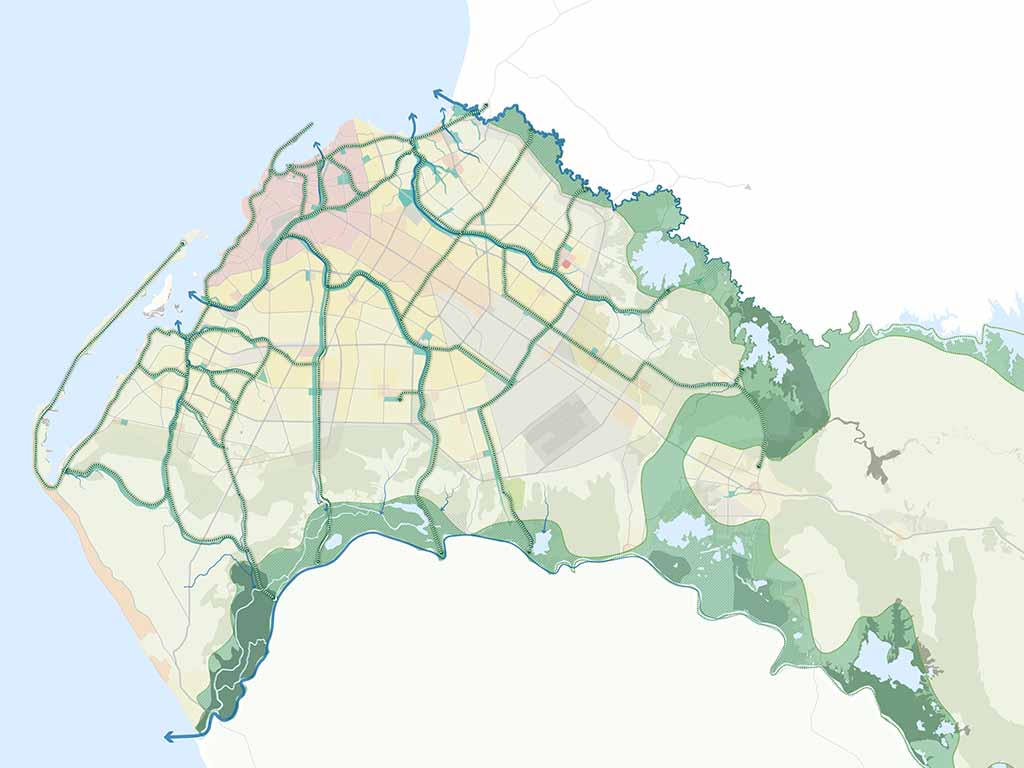
The project laid the groundwork for Luanda to become a major economic force in Africa, while simultaneously enhancing its liveability and environmental sustainability. The long-term vision provides a roadmap for phased, prioritised implementation, creating a legacy of balanced urban development that embraces both natural and built environments.
Location
Angola
Client
Luanda Provincial Government
Main expertise
Transport Planning; Strategic Advisory on Transport
PROJECT HIGHLIGHTS
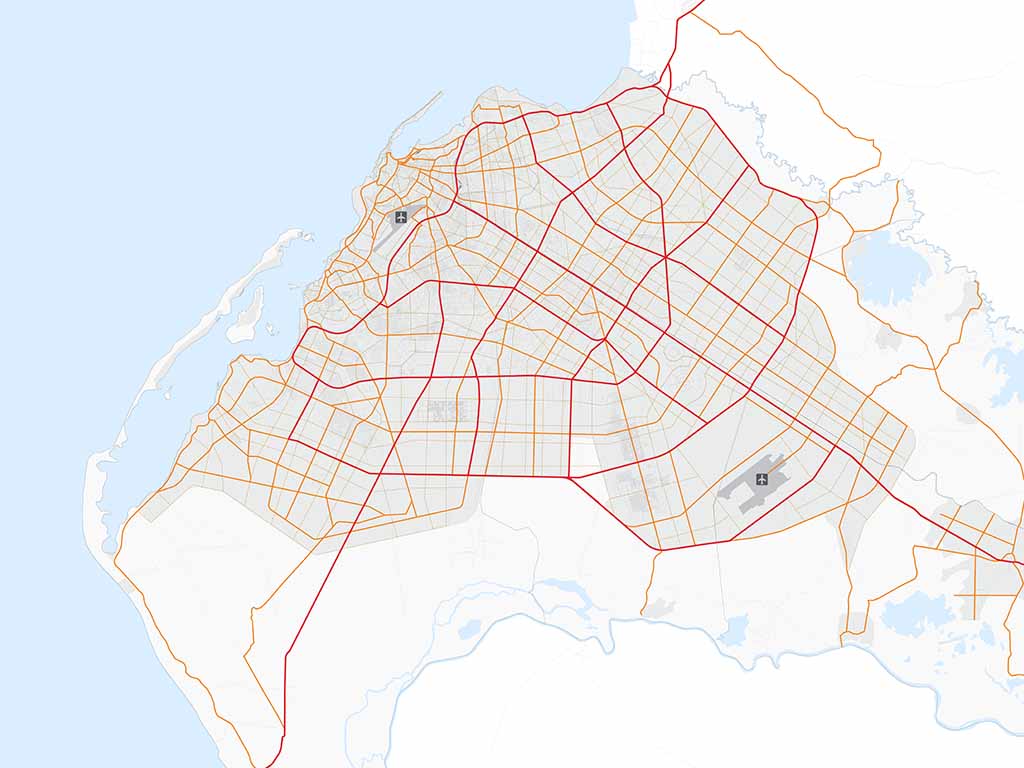
- Existing and planned infrastructure analysis
- Development and implementation strategy
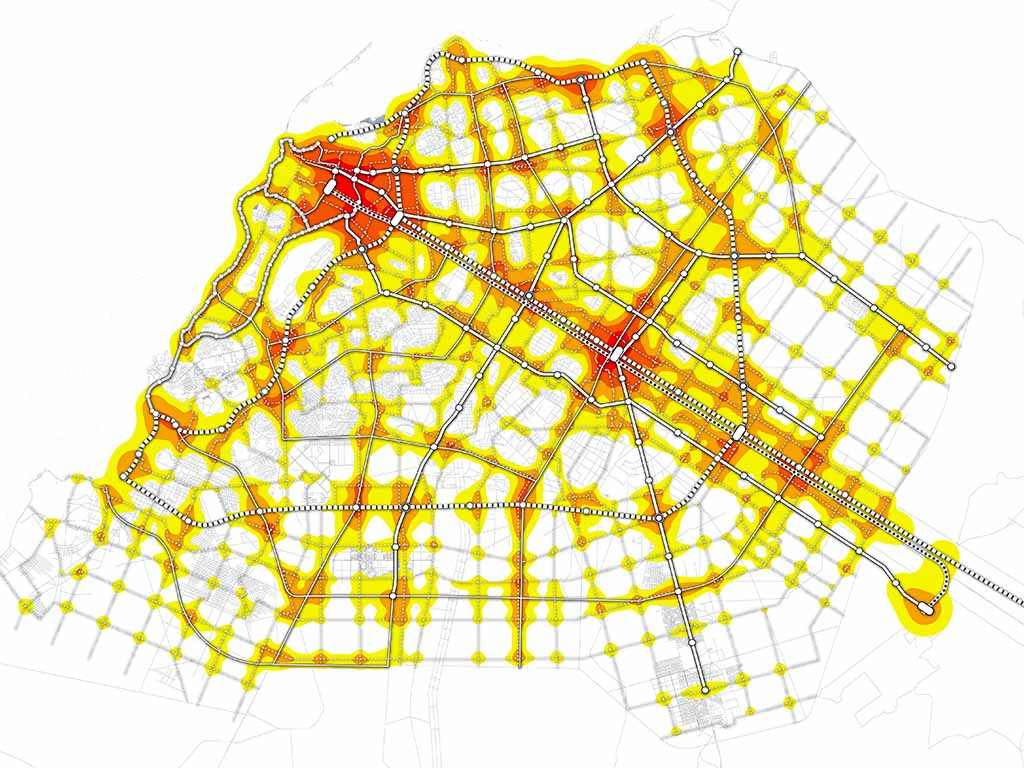
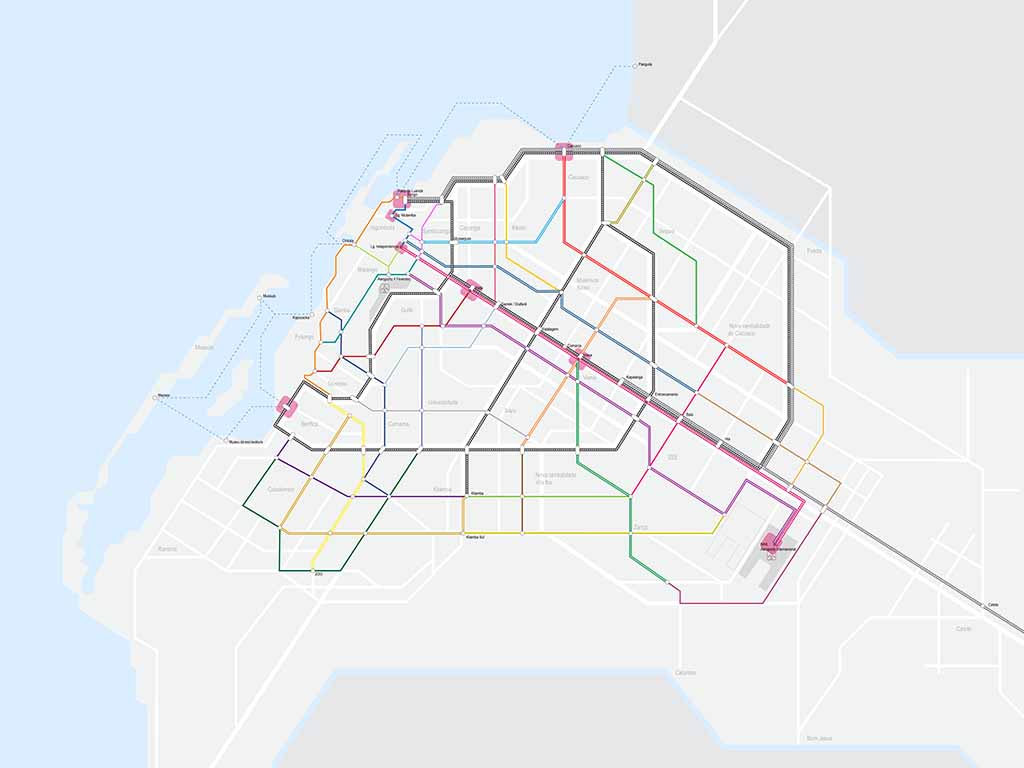
- Define public transport routes and stops, in relation with the prevailing land use of the master plan
- Create and propose a comprehensive network of intermodal interchanges for freights and goods
Project gallery
Our contribution
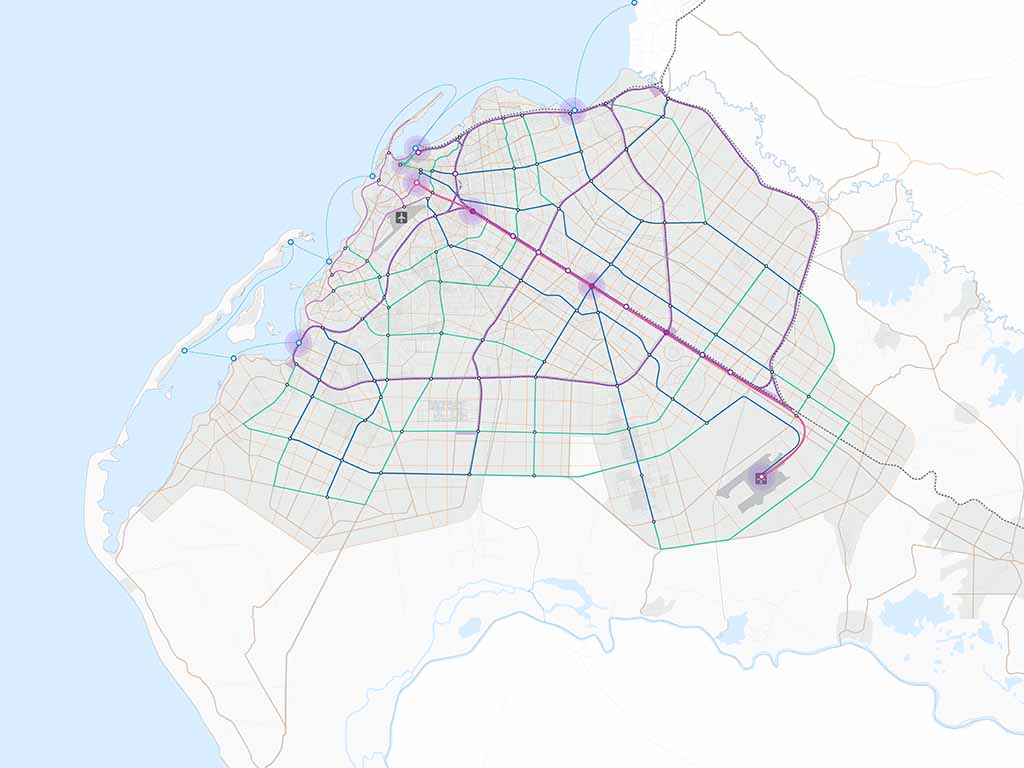
MIC-HUB was the consultant for the Angolan Government in the preparation of the Luanda’s provincial Masterplan, with a focus on creating an integrated multi-modal network, where public transport plays a key role to support the city’s future growth.
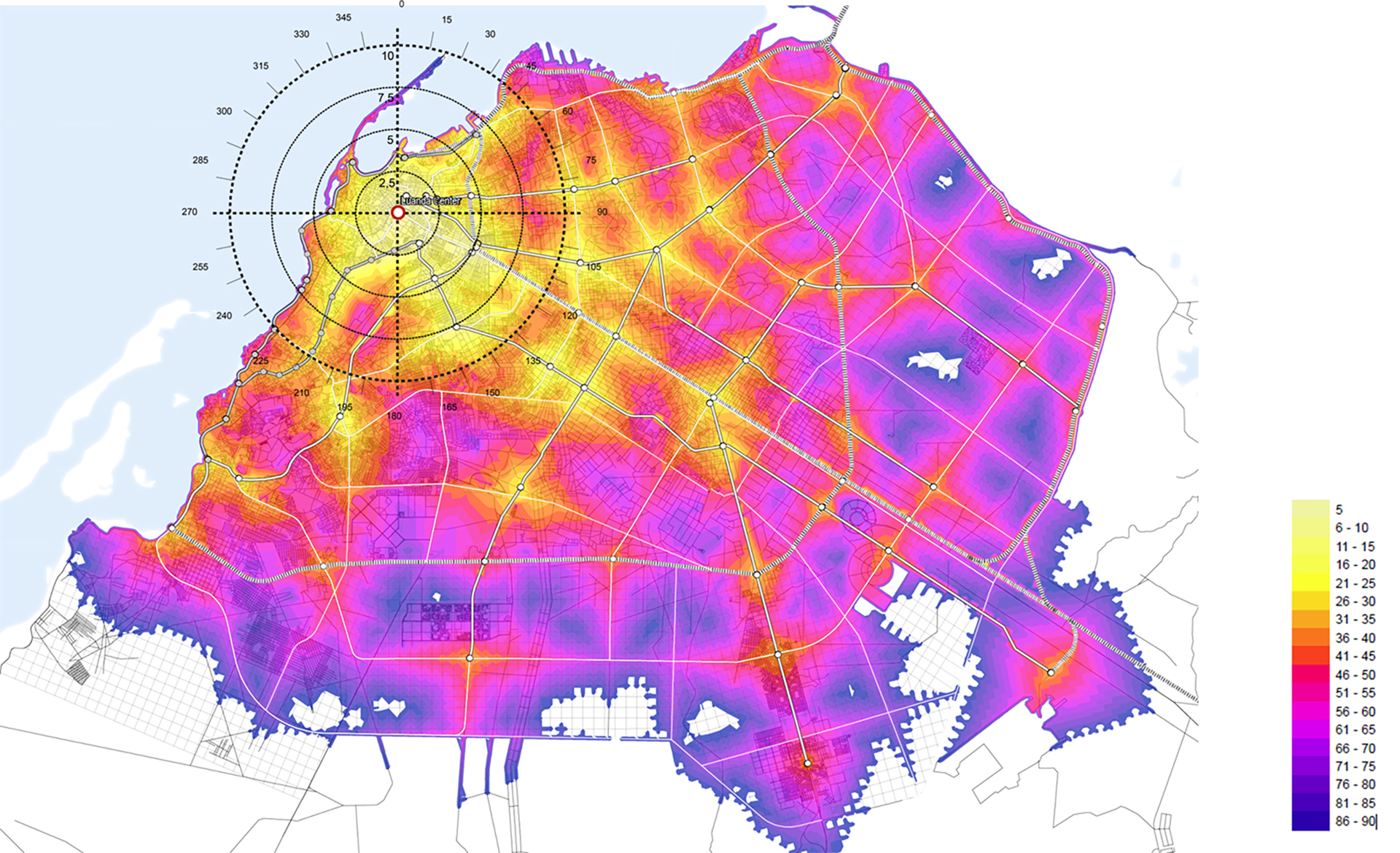
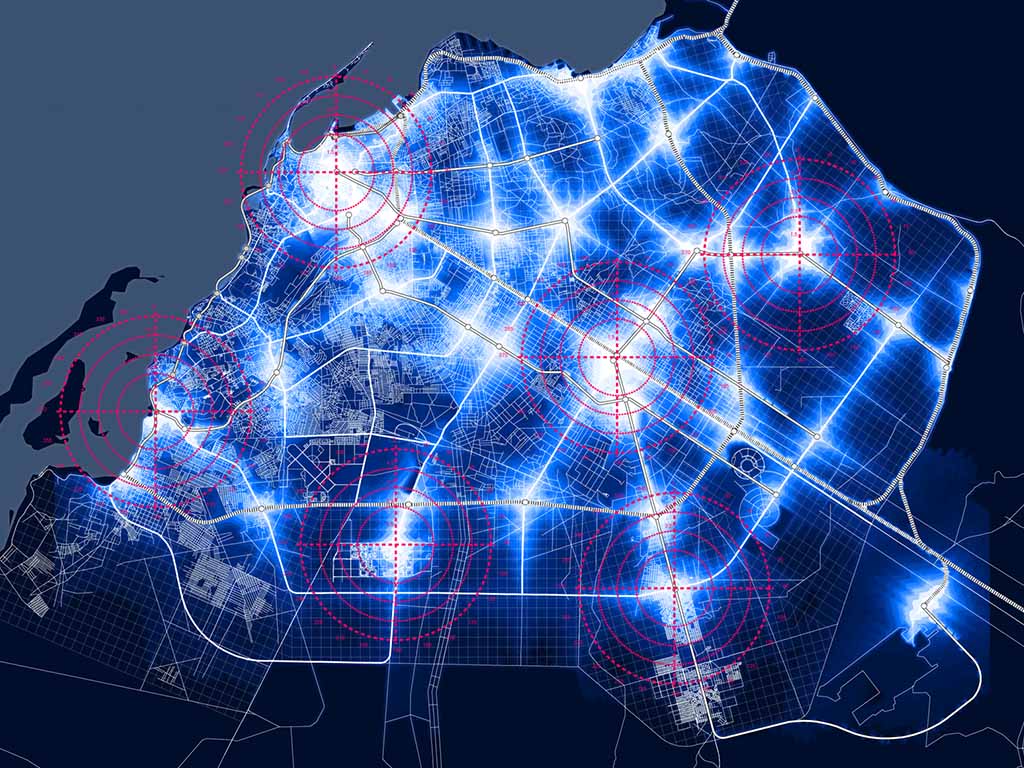
Several multi-modal key corridors will become the main drivers of the urban development and regeneration of the Luanda Metropolitan Area by setting up the main routes permeating the transport and movement network. This entails an integrated, cost-effective, public transport system with a mix of high capacity primary corridors, more urban secondary corridors, and a third level offering the capillarity that guarantees the greatest possible outreach for the service and the necessary feeding connections for the main lines.
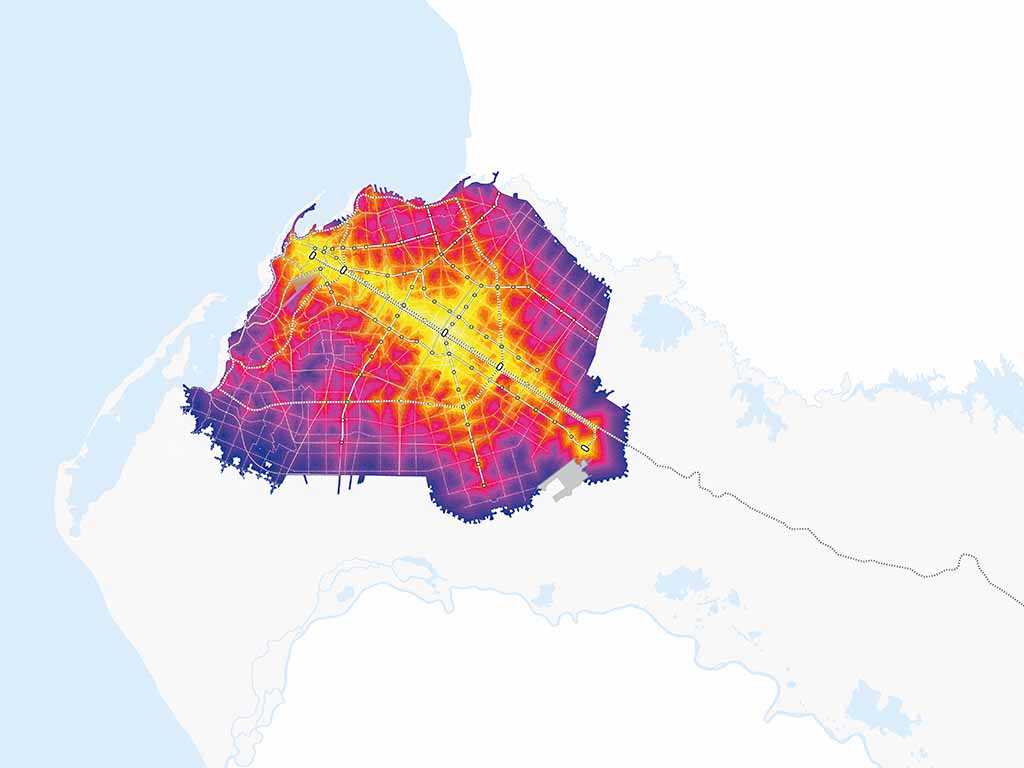
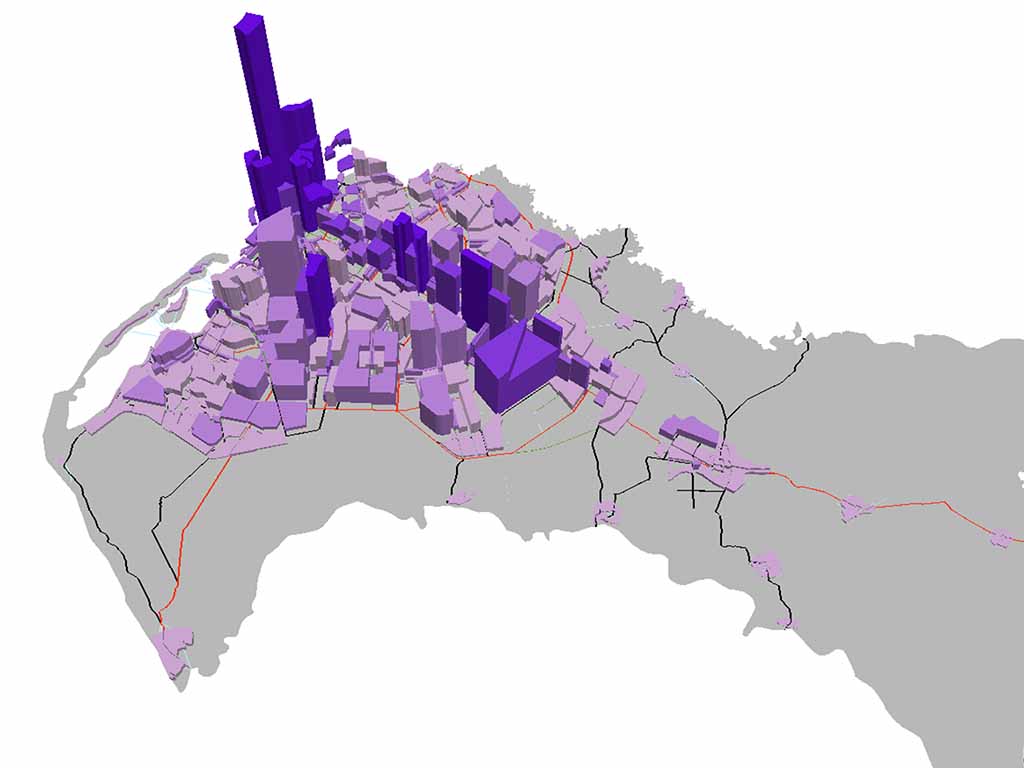
MIC-HUB also conducted data-driven transport analyses and integrated data visualisation tools to develop efficient transport strategies aligned with the city’s growth objectives, ensuring a sustainable and future-proof urban transport system.
The Plan was presented to the Strategic Committee of Luanda, composed by the Inter-Ministerial Commission and chaired by President Jose Eduardo dos Santos, who confirmed their approval of the strategy.